
How red light therapy actually works
Red light therapy is not heat, and it is not a tan. It is a specific band of visible red and near-infrared light that your mitochondria absorb and convert into usable energy.
The mitochondrial handshake
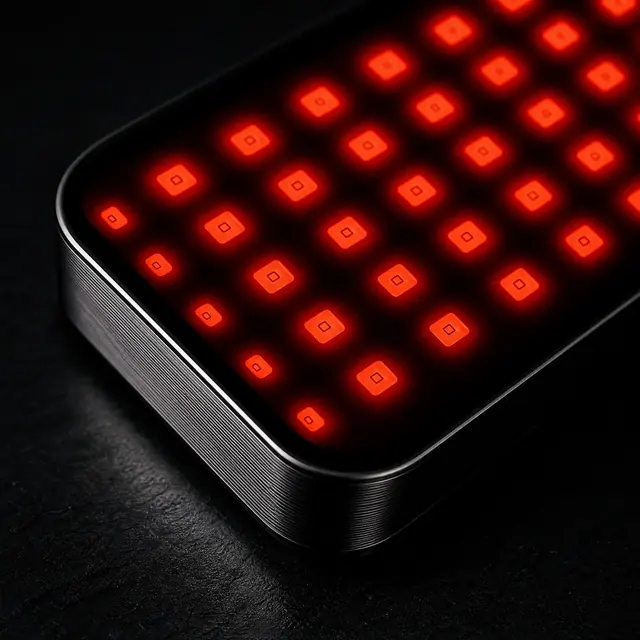
Inside every cell, an enzyme called cytochrome c oxidase sits at the end of the energy production chain. When metabolic stress builds up, nitric oxide can bind to that enzyme and slow things down.
Red light at 660 nm and near-infrared at 850 nm are absorbed by that enzyme and help release the blockage, which lifts ATP output — the fuel your cells spend on repair.
Why two wavelengths
The two wavelengths do different jobs because they travel to different depths.
- 660 nm red light stays shallow — skin tone, texture, collagen, and surface inflammation.
- 850 nm near-infrared reaches deeper into muscle and joint tissue for recovery and stiffness.
- Running both together means one session covers surface and depth at the same time.
What that feels like day to day
Most people notice the calming effect of an evening session first, then reduced next-day soreness after training, and finally skin changes over several weeks. Light is a stimulus, not a switch — dose and consistency matter more than intensity.
Ready to start your own routine?
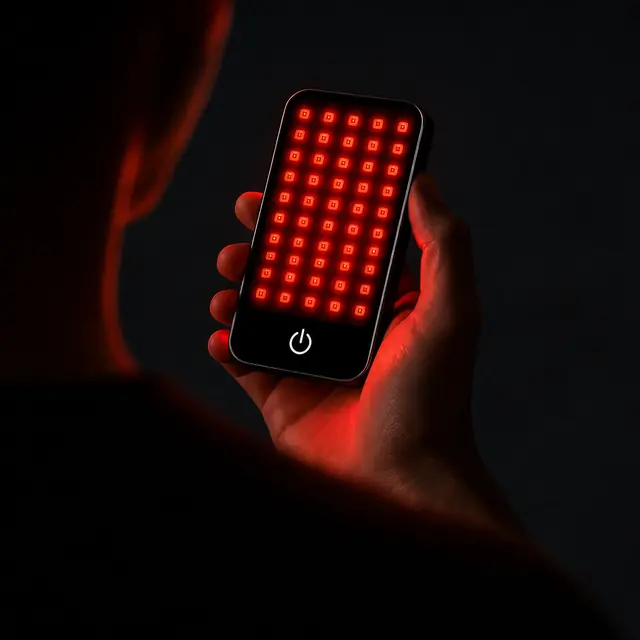
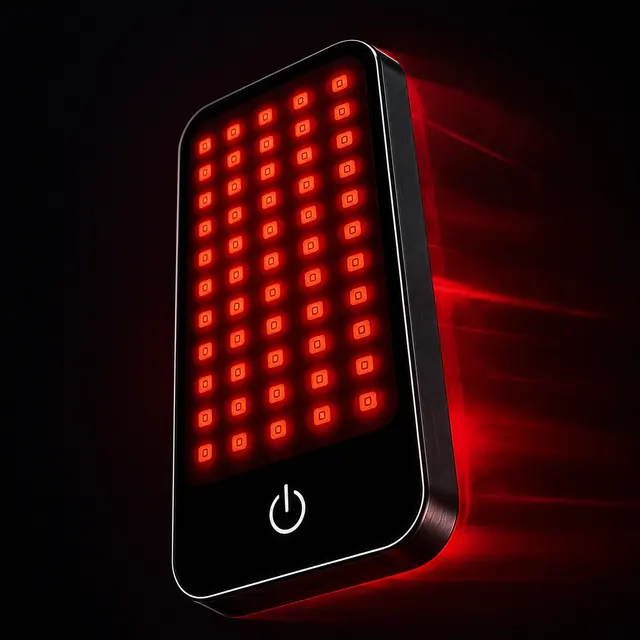
The Deep Dose Solo runs 660 nm red and 850 nm near-infrared LEDs, and ships from Sydney with the adapter included.